Tree pruning in Sidcup
If you are looking for Tree pruning in Sidcup, you are probably not just trying to tidy up a few branches. In many local gardens and commercial spaces, pruning is about keeping trees healthy, controlling size, improving light, reducing risk, and making outdoor spaces work better for everyday use. Whether you have a mature tree that has started to spread over a driveway, a fruit tree that needs careful shaping, or a row of trees affecting a business frontage, the right pruning service can make a real difference.
Sidcup has a mix of property types, from older family homes with established gardens to newer developments, flats, schools, shops, offices, and communal grounds. That variety means tree care needs are rarely one-size-fits-all. A tree beside a terrace on a narrower road may need a very different approach from a large garden tree near a boundary in a quieter residential street. A local team understands the practical realities of working in and around Sidcup, from limited access to parking considerations and protecting neighbouring property.
Good pruning is more than cutting back growth. Done properly, it supports the long-term structure of the tree, helps reduce the chance of broken limbs, and can encourage healthier regrowth. Done badly, it can stress the tree, create weak points, or leave it looking uneven and unnatural. That is why many local customers prefer to use a specialist service that combines arboricultural knowledge with a clear understanding of the area and the type of trees commonly found here.
Why tree pruning matters for Sidcup properties
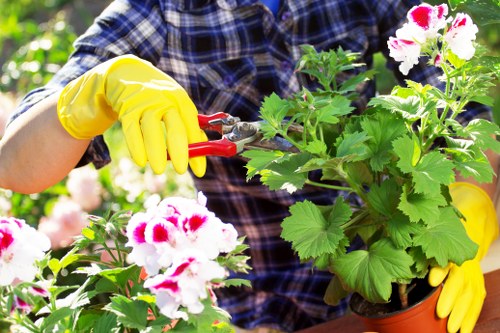
Across Sidcup, tree pruning is often requested for a mix of safety, appearance, and practical reasons. A tree may have branches overhanging a roof, shading a garden too heavily, obstructing a path, or growing too close to fences and boundary lines. In a busy household, even a healthy tree can become inconvenient if it blocks natural light from a kitchen, drops heavy leaf fall into gutters, or interferes with vehicle access on a driveway.
For homes with front gardens or roadside planting, pruning also helps maintain visibility and kerb appeal. For businesses, schools, care settings, and rental properties, tidy and well-managed trees contribute to a safer, more professional-looking environment. In some situations, pruning is also a preventative step. Removing weak, crowded, or rubbing branches can reduce future problems and help the tree develop a better shape over time.
Many customers also ask about tree pruning in Sidcup after noticing one side of a tree leaning toward light, or after a storm has damaged smaller limbs. Seasonal growth can quickly create imbalance, especially in established gardens where trees have not been maintained for a while. A professional assessment helps determine what should be removed, what should remain, and how to protect the tree’s long-term health.
What our tree pruning service can include
Tree pruning is a broad service, and the exact work depends on the species, condition, size, position, and your goal for the tree. Some customers need a light tidy to restore shape. Others need more targeted work to reduce risk or improve clearance. A proper service should always start with an assessment so the pruning approach matches the tree rather than forcing the tree into an unsuitable shape.
Typical pruning work may include crown thinning, crown reduction, lifting the canopy, deadwood removal, formative pruning for younger trees, and selective branch removal to improve structure. In some cases, it may also involve managing branches over roofs, paths, drives, or neighbouring boundaries. Where the tree is fruiting or ornamental, the approach can be adapted to suit the species and the time of year.
Depending on the tree and your needs, the service may include:
- Initial inspection of the tree’s condition, shape, and position
- Advice on the most suitable pruning method
- Removal of dead, damaged, diseased, or rubbing branches
- Selective reduction to improve balance and control spread
- Canopy lifting to create better access and clearance
- Pruning to reduce shading and improve light levels
- Work near fences, sheds, garages, and buildings
- Branch and green waste collection and removal, where included
Not every job needs major cutting. Often, small but well-planned interventions can improve the tree’s shape and condition without overworking it. That is particularly important for ornamental trees, mature garden trees, and trees growing near tight boundaries.
Tree pruning for different property types in Sidcup
Sidcup includes a wide mix of residential streets and commercial premises, and the right pruning approach often depends on the setting. A tree beside a semi-detached home may need careful crown lifting to keep the garden usable and maintain privacy. A tree in a communal space may need regular maintenance to keep pathways safe and reduce complaints about overgrowth. Commercial properties often need pruning that is neat, controlled, and timed to reduce disruption to staff, customers, or visitors.
For residential customers, common reasons for booking tree pruning include blocked light, overhanging branches, nuisance leaf fall, and branches encroaching on neighbouring properties. Family gardens often need a balance between keeping trees attractive and making space for play areas, patios, sheds, or seasonal planting. In many Sidcup gardens, pruning also helps preserve views and maintain a more open feel without removing the tree altogether.
For commercial customers, the priorities are often different. Businesses may need access kept clear for deliveries, signage made visible, entrance routes kept tidy, and grounds maintained to a standard that reflects well on the property. Schools, nurseries, landlords, managing agents, and local organisations often need a service that can work efficiently, with attention to safety and minimal disruption.
Common locations where pruning is especially useful
Tree pruning is often needed around front gardens, rear gardens, shared driveways, boundary lines, car parks, access roads, and communal outdoor areas. Trees close to footpaths, overhead structures, and neighbouring properties need particularly careful handling. When access is tight, the team must plan the work so branches can be brought down safely and waste can be removed without causing avoidable inconvenience.
Local knowledge matters when pruning trees in Sidcup

Choosing a local team for tree pruning in Sidcup can save time and reduce complications. Working in the area means understanding road layouts, parking limitations, busy residential streets, and the kind of access challenges that can affect tree work. In some parts of Sidcup, it may be straightforward to bring equipment right up to the property. In others, the team may need to work carefully around narrow side access, shared entrances, or limited space for vehicles.
Local knowledge is also helpful when dealing with different tree species and garden layouts commonly found in the area. Mature gardens often contain trees that have grown over many years and now require a careful pruning plan rather than a quick trim. A local service is more likely to understand how to work respectfully around neighbouring homes, boundary fences, outbuildings, and parked cars while completing the job efficiently.
Another benefit of using a nearby team is easier scheduling. If you need a seasonal prune, a one-off reduction, or ongoing maintenance, a local company is better placed to fit the work around the practical realities of Sidcup properties. That can be especially useful for landlords, site managers, and homeowners who want to keep trees under control before problems become more expensive or disruptive.
Why customers choose local tree care
Local customers often value:
- Familiarity with Sidcup roads, access points, and parking constraints
- Practical experience working on nearby residential and commercial properties
- Better understanding of common tree issues in the area
- Efficient communication and easier planning for the visit
- A service that feels personal, responsive, and reliable
When tree work is carried out by people who regularly operate in the area, the job often runs more smoothly from the start. There is less room for surprise when dealing with narrow drives, restricted access, or busy neighbours.
How the tree pruning process usually works

Most customers want a service that is clear, practical, and easy to understand. Tree pruning should not feel complicated. A professional approach typically begins with an inspection of the tree and a discussion of what you want to achieve. You may want more light, improved shape, reduced height, clearance from a building, or general maintenance. The tree’s species, age, health, and location then help determine the safest and most appropriate method.
Once the pruning plan is agreed, the work is carried out with attention to the tree’s structure and your property. Careful cutting helps avoid unnecessary damage and supports healthy recovery. The team should also manage the work area responsibly, keeping pathways clear where possible and ensuring waste is handled in an organised way. For larger or more complex trees, the method may involve sectional work to bring branches down safely.
After the pruning is complete, the site should be left tidy and ready for normal use. For many customers, that is one of the biggest benefits of using a professional service: the job is finished properly, without leaving you with a pile of heavy branches or an unclear idea of what has been done. If you want ongoing care, it can also be sensible to discuss how often the tree might need future maintenance.
What makes a good pruning job?
A good pruning job should improve the tree without making it look hacked back or unbalanced. It should follow sensible cutting principles, avoid leaving unnecessary stubs, and respect the natural growth habit of the tree. The aim is not simply to reduce size at all costs. It is to improve structure, manage space, and help the tree stay healthy for longer.
How to prepare for tree pruning at your property
Before your visit, there are a few simple steps that can make the work easier and safer. Good preparation helps the team access the tree efficiently and reduces the chance of delays. It also helps protect vehicles, garden furniture, and other features around the work area. If the tree is near a shared boundary or communal space, a little advance planning can prevent misunderstandings.
Useful preparation checklist:
- Move vehicles away from the work area if possible
- Clear access routes to gates, side passages, or driveways
- Remove fragile garden items, pots, and ornaments near the tree
- Keep pets and children away from the work zone during the visit
- Tell the team about any underground features, sheds, cables, or awkward access points
- Let neighbours know in advance if branches overhang a boundary or shared space
If you are unsure about access, do not worry. Many homes in Sidcup have narrow side entrances, sloping gardens, or parking restrictions, and an experienced local team should be used to planning around them. The key is to mention anything that might affect the job so the work can be carried out smoothly.
Preparation does not need to be difficult. A short conversation before the appointment can help the team understand what you need and how best to approach the tree. If you are arranging pruning for multiple trees, it is also useful to note which ones matter most, especially if some need urgent attention and others are part of longer-term maintenance.
Pricing factors for tree pruning in Sidcup
Every tree and property is different, so pricing is usually shaped by several practical factors rather than a standard one-size-fits-all figure. Customers often appreciate knowing what influences the cost before they request a quote. That makes it easier to compare options and decide what level of work is appropriate for the tree in question.
Common pricing factors include:
- Tree size and height
- Species and density of growth
- How much pruning is needed
- Accessibility for equipment and staff
- Whether the tree is beside a building, fence, or road
- Volume of waste to be removed
- Complexity of the work and time required
Access can have a major impact in Sidcup, especially where parking is limited or the tree is located behind a property with narrow side access. A straightforward garden tree in open space is often easier to work on than one positioned tightly between fences, sheds, and neighbouring structures. Similarly, a tree that needs only light crown maintenance will generally involve less work than one needing careful reduction and debris removal.
It is always sensible to request a quote based on the actual tree rather than assuming a simple trim will be enough. The right estimate should reflect the real conditions on site, the type of pruning needed, and any extra care required to protect the surrounding property. Contact us today to request a free quote and discuss the best approach for your tree.
Benefits of regular tree pruning
For many Sidcup property owners, pruning is not just a one-off job. Trees that are regularly maintained tend to look better, grow more predictably, and cause fewer problems over time. Regular maintenance can prevent branches becoming too heavy, reduce crowding in the canopy, and help you keep control of the shape and size of the tree without large corrective work later on.
Key benefits can include:
- Improved safety around paths, roads, roofs, and driveways
- Better light into gardens, rooms, and outdoor seating areas
- Healthier structure with fewer weak or rubbing branches
- More attractive appearance and balanced growth
- Reduced risk of nuisance from overhanging branches or fallen debris
- Better long-term management of mature trees
Some trees also respond well to seasonal pruning when the timing is right for the species. In other cases, a careful light prune at intervals is far better than leaving the tree untouched for years and then trying to correct a major problem in one visit. If you want your outdoor space to stay usable and tidy, planned maintenance is often the most practical option.
For homeowners preparing to sell or rent out a property, neat trees can also improve first impressions without making the garden feel bare. For commercial settings, a managed landscape contributes to a more orderly, cared-for appearance that people notice immediately.
Areas covered around Sidcup
Customers looking for tree pruning in Sidcup often need help not only in the centre of the area but also in nearby neighbourhoods and surrounding parts of south-east London and Kent borders. A local team can usually assist across nearby residential streets, estates, and mixed-use areas where trees need regular attention.
Areas commonly covered may include:
- Sidcup town centre and surrounding residential roads
- Albany Park
- Blackfen
- Blendon
- Foots Cray
- New Eltham nearby locations
- Hurst Road and local side streets
- Welling and surrounding neighbouring areas, where applicable
If your property sits near a boundary between local areas, it is often still worth enquiring. Tree work is frequently influenced more by access and tree type than by postcode alone, and a local provider may be able to help with both domestic and commercial pruning work across the surrounding district.
Frequently asked questions about tree pruning in Sidcup
How often should a tree be pruned?
The answer depends on the species, age, growth rate, and location. Fast-growing trees may need more regular attention, while slower-growing ornamental or mature trees might only need light pruning from time to time. The best schedule is often based on the tree’s condition and your aims for the space.
Can pruning help if a tree is blocking light?
Yes. Crown reduction, lifting, or selective thinning can often improve light without removing the tree entirely. The right method depends on the tree and how much change is appropriate. A careful approach is usually better than cutting back too much at once.
Will pruning damage the tree?
When carried out properly, pruning should support the tree rather than harm it. The risk comes from poor cutting, excessive removal, or pruning at the wrong time. That is why it is important to use a knowledgeable team that understands tree structure and species-specific needs.
Do I need permission to prune a tree?
Sometimes. If a tree is protected by a Tree Preservation Order or lies within a conservation area, there may be rules about what work can be done. If you are unsure, it is best to raise this before any work begins so the correct checks can be made.
What if the tree is close to my neighbour’s property?
Overhanging branches and boundary issues are common in Sidcup. A professional service can prune carefully and discuss the practical steps needed to respect both properties. In many cases, clear communication beforehand helps the job go more smoothly.
Can you prune large mature trees?
Yes, provided the work is suitable for the tree and the site conditions. Mature trees often need a thoughtful approach, especially if they are close to structures or in restricted access spaces. Larger trees can be managed safely with the right equipment and planning.
Choosing the right team for your tree pruning project
When choosing a company for tree pruning in Sidcup, it helps to look for more than just availability. You want a team that listens to what you need, explains the recommended approach clearly, and understands how to work safely in real homes and business settings. The best service is one that balances tidiness, tree health, and practicality.
A reliable local team should be able to:
- Assess the tree before recommending work
- Explain the type of pruning required in plain language
- Work carefully around buildings, gardens, and neighbouring properties
- Manage waste responsibly and leave the area tidy
- Offer practical advice for future maintenance
If you have been putting off the job because the tree feels awkward, too big, or difficult to access, that is exactly the kind of situation where local experience matters. A professional pruning service should make the process feel manageable, from the first enquiry through to completion.
Book your service now if you want to improve safety, restore shape, or simply keep your trees under control. If you are still weighing up the options, a quote and a brief assessment can help you decide what is most suitable for your property.
Final thoughts on maintaining healthy trees in Sidcup
Well-planned pruning is one of the most effective ways to keep trees attractive, safe, and suited to the space they grow in. In Sidcup, where property layouts, access routes, and garden sizes vary widely, a tailored approach is especially important. A tree that looks fine from a distance may still need work to improve structure, light, clearance, or long-term health.
Whether you are a homeowner with an overgrown garden tree, a landlord preparing a property, or a business owner looking after frontage trees and shared outdoor areas, professional pruning can solve practical problems while protecting the tree itself. The key is to get the work done at the right time, in the right way, and by people who understand local conditions.
If you are ready to arrange tree pruning in Sidcup, or you want to talk through what your tree needs before deciding, contact us today to request a free quote and take the next step toward a safer, tidier, and better-managed outdoor space.