Tree inspections in Sidcup
If you need tree inspections in Sidcup, you are likely looking for a local arboricultural service that can tell you whether a tree is healthy, stable, and safe to keep in place. That might be because a tree is close to your house, leaning after windy weather, dropping branches, causing concern in a neighbour’s garden, or simply starting to look tired and in need of professional attention. A proper inspection is not just a quick glance from the pavement. It is a careful, evidence-based look at the tree’s condition, its surroundings, and the risks it may present to people, buildings, vehicles, and neighbouring property.
Sidcup has a mix of mature residential gardens, road-front trees, school grounds, retail sites, and commercial landscapes, which means tree concerns can come from many different directions. Some trees sit in tight suburban plots with fences, patios, and extensions nearby. Others stand in front of office buildings, on shared access roads, or within managed estates where safety and access matter just as much as appearance. In all of these settings, a tree inspection helps you make informed decisions rather than reacting after a branch falls or a tree visibly declines.
Our approach to tree inspections in Sidcup is designed for real local customers who want practical advice, clear next steps, and an honest assessment of what is actually required. Whether you are a homeowner, landlord, facilities manager, school administrator, letting agent, or business owner, an inspection can help you decide whether a tree needs pruning, monitoring, further testing, or, in some cases, removal. Contact us today if you would like a professional opinion before a minor issue becomes a bigger one.
Why tree inspections matter in Sidcup

Many people only think about tree safety after a storm, a visible crack, or a sudden drop of branches. In reality, tree problems often develop gradually. A tree can look green and full from a distance while still having weak unions, internal decay, root issues, or weight distribution problems that are not obvious without a close inspection. In Sidcup, where many properties have established gardens and mature boundary trees, this matters because large trees can interact with roofs, conservatories, garages, driveways, and overhead lines.
Tree inspections are useful because they can identify concerns early. A qualified inspection may reveal deadwood, fungal fruiting bodies, cavities, bark damage, root disturbances, included bark, poor previous pruning, or signs of drought and stress. It may also highlight trees that are perfectly sound but simply need ongoing observation. That distinction is important: not every concern means a tree has to come down. Often the most valuable result is a clear recommendation that avoids unnecessary work while keeping people safe.
For local customers, the benefit is peace of mind. Instead of guessing whether a tree is safe after strong wind or deciding based on appearance alone, you can make decisions using a professional assessment. That is especially useful for shared boundaries, rental properties, management companies, and business premises where responsibility needs to be clear. A proper inspection can also support planned maintenance, help prioritise budgets, and reduce the chance of sudden, unplanned tree work.
Situations where an inspection is especially useful
An inspection is worth arranging if a tree has become noticeably lean, if there are signs of decay at the trunk or base, if large limbs have snapped in the past, or if roots are lifting nearby paving. It is also sensible after construction work, changes in ground levels, repeated compaction, or periods of prolonged dry weather. Trees can also be affected by storms and high winds, which can loosen branches or expose hidden weaknesses. Tree inspections in Sidcup are often requested when a property is being sold, when insurance concerns arise, or when a resident simply wants reassurance before the next season of bad weather.
What a professional tree inspection usually includes

A thorough inspection is more than a quick check from one angle. The arborist will typically assess the tree from the base to the crown, looking at structure, health, loading, site conditions, and anything nearby that could increase the consequences of failure. This usually starts with the species, age class, and general vigour of the tree, because different species respond differently to stress, pruning, and decay. The surrounding environment is just as important as the tree itself.
From there, the inspector will look for visible indicators of stress or instability. These can include trunk wounds, split unions, dead branches, signs of pests, fungal growth, cavities, soil heave, recent root disturbance, and evidence of earlier poorly executed reductions or topping. The crown may be assessed for density, balance, and extended limbs that could be at risk in high winds. If a tree is near buildings or regular foot traffic, the level of scrutiny becomes even more important.
Depending on what is found, the inspection may lead to a straightforward recommendation, such as removing a small amount of deadwood, reducing a heavy limb, or monitoring the tree over time. In other cases, the tree may need more detailed assessment, including non-invasive testing or a follow-up survey. The aim is always to give practical advice based on the actual condition of the tree, not assumptions.
Typical areas assessed during an inspection
- Roots and root zone - signs of upheaval, decay, compaction, excavation, or damage from building work.
- Trunk and stem - cracks, cavities, decay, bark damage, included unions, and evidence of movement.
- Crown structure - balance, weak branch attachments, deadwood, split stems, and overloaded limbs.
- Foliage and growth - leaf size, colour, density, and signs of poor vitality or pest activity.
- Surrounding site conditions - buildings, fencing, access routes, parking areas, paths, and utilities.
When customers ask about tree inspections in Sidcup, they often want to know whether a tree is simply “fine” or “not fine.” In reality, professional work is more nuanced. A tree can be low risk today but still need periodic checks. Another may be showing moderate concerns that can be managed with targeted pruning and monitoring. That balanced, useful advice is what makes an inspection worthwhile.
Why Sidcup properties often need local tree expertise

Sidcup includes a wide range of property styles, from family homes with established back gardens to semi-detached houses with limited side access, as well as commercial plots and communal spaces that need regular upkeep. These local conditions matter because they affect both the trees and the inspection process. For example, a tree in a narrow side passage may be harder to access, while a tree overhanging a driveway may require careful assessment of drop zones, vehicle movement, and safe working space.
Local knowledge is useful because different streets and neighbourhoods can present different practical issues. Some areas have mature trees close to older houses, where roots may interact with hardstanding or shallow foundations. Others may have newer developments where trees were planted in confined spaces and now need assessment for long-term stability and growth. Nearby roads can also affect how an inspection is arranged, especially if parking is limited or access is shared with neighbours.
Customers looking for tree inspections in Sidcup often need a team that understands these everyday realities. The right service should take into account gardens with sheds, rear extensions, overhead obstacles, shared driveways, and the need to work respectfully around neighbours. That local awareness helps the inspection run smoothly and helps ensure the recommendations are realistic for the property, not just technically correct in theory.
Who uses this service locally?
Tree inspections are requested by a wide mix of customers, including:
- Homeowners worried about a tree near their house or boundary.
- Landlords and letting agents managing rental properties.
- Schools and nurseries needing a safe outdoor environment.
- Businesses with car parks, entrances, or landscaped frontage.
- Managing agents and resident groups responsible for communal trees.
- House sellers and buyers who need a clear view of tree condition.
Whatever the setting, the goal is the same: identify whether the tree is safe, what maintenance might be needed, and whether the current risk level is acceptable for the site.
How the inspection process works
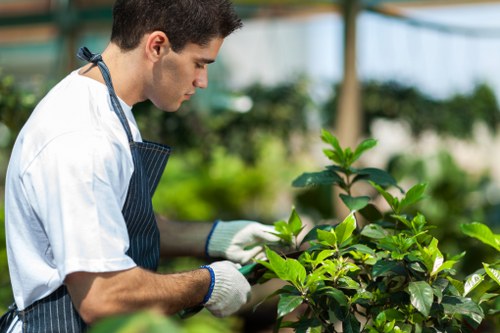
Most customers want to know what will happen on the day, how long it takes, and what they will receive afterwards. A straightforward tree inspection is usually arranged around the needs of the site, then carried out with minimal disruption. The inspector will review the tree in context, taking note of visible symptoms, the surrounding space, and any history that may affect tree health or stability. If there are several trees, each one can be assessed individually or as part of a broader site review.
During the visit, the arborist may ask questions about recent changes, including storms, landscaping work, nearby excavations, or whether the tree has shown a change in leafing, flowering, or branch dieback. These details can matter more than many people realise. A tree that looked fine last year may now be under stress because its root environment changed or because past pruning has altered its growth pattern. By combining observation with local context, the inspection becomes much more reliable.
After the inspection, you should receive practical advice about the tree’s condition and the most sensible next steps. That may include no immediate action, a recommendation for routine monitoring, remedial pruning, or further investigation if the issue is not fully visible from ground level. In some cases, the best outcome is simply confirmation that the tree can remain in place with periodic checks. In other cases, you may be advised to act promptly for safety reasons.
What customers often receive after an inspection
- A clear explanation of the tree’s current condition.
- Identification of any visible defects or risk factors.
- Recommendations for pruning, monitoring, or further works.
- Advice based on the tree’s location and use of the site.
- A practical view of urgency so you can plan appropriately.
If you are comparing options for tree inspections in Sidcup, it is worth choosing a service that focuses on clarity and usefulness. A good inspection should help you understand the tree in plain language and make the next step straightforward.
What is included in a tree inspection visit?

Customers often ask what is actually covered when they book a tree inspection. The exact scope can vary depending on the site and what you want assessed, but a professional visit normally includes a close visual review of the tree, an assessment of the surrounding environment, and a discussion of any concerns you have noticed. This is not just about ticking boxes. It is about identifying what matters most for your property and your peace of mind.
A local inspection can include single trees, groups of trees, boundary specimens, trees close to buildings, or trees that may be affected by construction and landscaping. If there are multiple concerns on one site, it may be useful to inspect them in priority order, especially where a tree is close to a play area, parking space, shared path, or access route. That practical focus saves time and helps you decide what to tackle first.
In some situations, the inspector may suggest a more formal tree risk assessment or additional arboricultural work. This does not necessarily mean there is a serious problem. Sometimes the tree needs a deeper level of evaluation because the visible symptoms are subtle, or because the location makes the consequences of failure more significant. A responsible inspection should help you choose the right level of action, not push for unnecessary work.
Common outcomes after the visit
- No immediate action required, with optional future monitoring.
- Deadwood removal or minor pruning to reduce localised risk.
- Canopy reduction or branch management to improve balance.
- Root zone care recommendations to reduce stress.
- Further inspection or testing where hidden defects are suspected.
- Tree removal advice where the risk cannot be managed safely.
Book your service now if you want a clear, practical assessment rather than guesswork. A timely inspection can help you plan work calmly and avoid emergency decisions later.
Pricing factors for tree inspections
While exact prices depend on the job, several factors usually influence the cost of a tree inspection. Understanding these factors helps customers in Sidcup plan ahead and compare quotes fairly. The first factor is the number of trees to be assessed. A single tree in a front garden is usually simpler than a larger site with several specimens spread across different access points. The second factor is complexity, such as whether the tree is close to a building, has limited access, or requires careful checking because of previous damage.
Tree size and condition also affect the time needed. A mature, spreading tree with a complicated structure takes longer to assess than a young ornamental tree. If a site has obstacles such as tight parking, locked shared gates, narrow side returns, or restricted rear access, the inspection may need more planning. On commercial sites, there can also be coordination with staff, tenants, or site managers, which may add to the scope of the visit.
Another key factor is whether the work is a standard visual inspection or something more detailed. If a tree shows possible decay, instability, or root concerns, further investigation may be recommended. Even then, the aim is still value for money: paying for the right level of inspection can prevent bigger costs later by helping you avoid unnecessary removals or emergency callouts. For many customers, a timely inspection is a sensible maintenance expense rather than a reactive one.
How to prepare for a tree inspection
Preparation is usually straightforward, but a few simple steps can make the visit more efficient. If you can, clear access to the tree and make sure the inspector can see the trunk base and surrounding ground clearly. If the tree is in a rear garden, unlock side access if applicable and ensure any pets are kept safely away. If the tree is in a shared or commercial area, it is helpful to let relevant people know the inspection is taking place so access is not blocked.
It is also useful to think about what you have noticed. For example, has the tree leaned more after bad weather? Have branches started hanging low over a roof or path? Have you seen fungus, dead limbs, cracking at the base, or movement in the roots? The more specific you can be, the more useful the inspection becomes. Even small details can help identify whether the issue is new, long-standing, or part of a broader pattern.
If the tree has been involved in previous work, such as pruning, crown reduction, stump treatment, or construction nearby, keep that information to hand. A tree’s past management often affects its current shape and stability. That context can be very important when deciding whether the next step should be monitoring, selective pruning, or a more detailed assessment.
Why local customers choose a Sidcup-based tree inspection service
Choosing a local arborist brings practical advantages. A team familiar with Sidcup understands the kinds of properties, access issues, and tree species that commonly appear in the area. That means advice can be shaped around real site conditions rather than given in a one-size-fits-all way. For example, a tree near a busy drive, a school entrance, or a boundary with limited working room needs a slightly different approach from a tree in an open garden.
Local service also tends to mean better responsiveness and a more grounded understanding of seasonal issues. Trees in suburban settings often need attention after wind events, after summer stress, or when new building work changes drainage and soil compaction. A nearby team can take these factors into account and suggest practical steps that fit the pace of local property maintenance. That can be especially valuable for homeowners who want reassurance and for businesses that need to keep people moving safely around the site.
For customers comparing providers, the strongest sign of quality is not big promises. It is the ability to explain findings clearly, recommend proportionate action, and respect the realities of the site. That is what people usually want from tree inspections in Sidcup: a fair assessment, no unnecessary jargon, and a result they can rely on when deciding what to do next.
Areas covered around Sidcup
Tree inspection work is commonly requested across Sidcup and the surrounding neighbourhoods, including nearby residential streets, commercial pockets, and shared properties where tree maintenance needs to be planned carefully. The service is particularly relevant for homes and sites near local green spaces, estate roads, and mixed-use developments where trees are close to people and buildings. If your property sits near a boundary line, a busy access road, or a communal parking area, an inspection can be especially useful.
Local customers from surrounding parts of the area often need the same things: a sensible assessment, clear recommendations, and a service that can work around access limitations. Whether the trees are in front gardens, rear gardens, communal open spaces, or business premises, the inspection approach should adapt to the site. That flexibility matters because no two trees and no two properties are quite the same.
If you are unsure whether your location falls within the normal coverage area, it is still worth making an enquiry. A local team can usually advise quickly on whether the site is suitable and what kind of inspection would be most appropriate. Request a free quote when you are ready to discuss the trees on your property and the level of assessment you need.
Frequently asked questions
Do I need a tree inspection if the tree looks healthy?
Yes, sometimes you do. Healthy-looking trees can still have hidden issues such as internal decay, root disturbance, or weak branch attachments. If a tree is near a building, driveway, or public area, a professional inspection can confirm whether it is genuinely sound or simply appears healthy from a distance.
How often should trees be inspected?
The right frequency depends on the tree’s species, age, condition, and location. High-risk trees or trees close to targets may need more frequent checks, while stable trees in lower-risk settings may only need occasional review. A professional inspection should help you decide what makes sense for your site.
Can you inspect a tree after storm damage?
Yes. After strong winds or storms, it is sensible to have a tree checked if it has lost branches, started leaning, or shown signs of stress. Storms can expose weaknesses that were not obvious beforehand, so a prompt assessment can help you decide whether any urgent action is needed.
Will an inspection always mean tree work is needed?
No. Sometimes the result is simply reassurance and a recommendation to monitor the tree. Where work is suggested, it is usually because the tree would benefit from pruning, deadwood removal, or another proportionate measure. The aim is to match the response to the actual issue.
Can you help with trees near shared boundaries?
Yes. Shared boundaries are common in Sidcup, and they often require careful communication and practical judgement. An inspection can clarify the tree’s condition and help you understand what action, if any, is appropriate before arranging work.
Is an inspection useful for landlords and commercial sites?
Absolutely. Landlords, managing agents, schools, and businesses often need to show that trees have been checked and assessed responsibly. A professional inspection helps with planning, safety, and ongoing maintenance decisions.
Book your tree inspection in Sidcup
If you are concerned about a tree on your property, now is the right time to act. A proper inspection can give you clear answers, help you avoid unnecessary worry, and show you what should happen next. Whether the issue is a leaning trunk, overhanging branches, root movement, or simply the need for reassurance, a local arborist can assess the tree and explain the safest, most practical options.
For homeowners, landlords, and businesses alike, tree inspections in Sidcup are an effective way to manage risk and protect your property. They also help you plan maintenance in a calm, informed way rather than waiting until a defect becomes urgent. If you want a careful assessment from a local team that understands the area and the kinds of trees found here, contact us today to arrange your inspection or discuss the trees you are worried about.
Book your service now and take the first step toward a safer, better-managed outdoor space.